Multifamily investing
Creative Strategies and Real-World Insights from the Final Multifamily Strategy Live Session
Experts share practical advice on marketing, due diligence, financing, and property management in multifamily real estate investing, emphasizing community engagement, creative financing, and strategic asset management.
The Power of Engagement and Community in Multifamily Investing
The session began by highlighting the importance of active participation within the mentorship community. It was observed that those who consistently engage by turning on cameras and asking questions are often the investors who successfully close deals. This underscores the value of being an active learner and participant in real estate communities to accelerate deal-making and growth.
Marketing Strategies: Niching Down and Leveraging Podcasts
Marketing in multifamily investing requires a deep understanding of one's niche. Dylan shared that competitive intelligence is essential, utilizing AI tools like Claude to analyze competitors and market players. Knowing the specific buy box thoroughly enables accurate deal evaluation and effective positioning.
Related reading: Mastering Multifamily Real Estate Marketing: Insights from Dylan Vanas on Building Your Brand and Raising Capital
For those starting without a marketing budget, launching a podcast was recommended as a cost-effective way to build relationships. Podcasts provide a platform to connect with key local business owners and investors who might otherwise be inaccessible. The goal is to cultivate meaningful connections rather than amass a large audience.
Building Trust Through Storytelling and Consistency
Cody emphasized the importance of relatability, shared goals, and significance in marketing oneself. Even without an extensive track record, sharing one's story and vision authentically can create buy-in from potential partners and investors, fostering trust and encouraging others to take a chance.
Christian added that publicly committing to goals and then achieving them is a highly effective branding strategy. Consistently delivering on promises builds credibility that resonates with audiences and potential investors.
Due Diligence: Verifying Income and Expenses with Precision
Due diligence is critical when evaluating income and expenses for multifamily or RV park deals. Documentation such as rent rolls, bank statements, and credit card statements is typically requested after entering a contract or letter of intent to verify financials.
Christian advised that understanding local expense ratios and underwriting multiple properties builds pattern recognition to spot discrepancies. For example, unusually high trash costs or utility bills compared to market averages warrant further investigation.
Asking specific questions about unusual line items can reveal hidden issues or deceptive practices. Minor discrepancies should not necessarily derail a deal if the overall investment thesis remains strong.
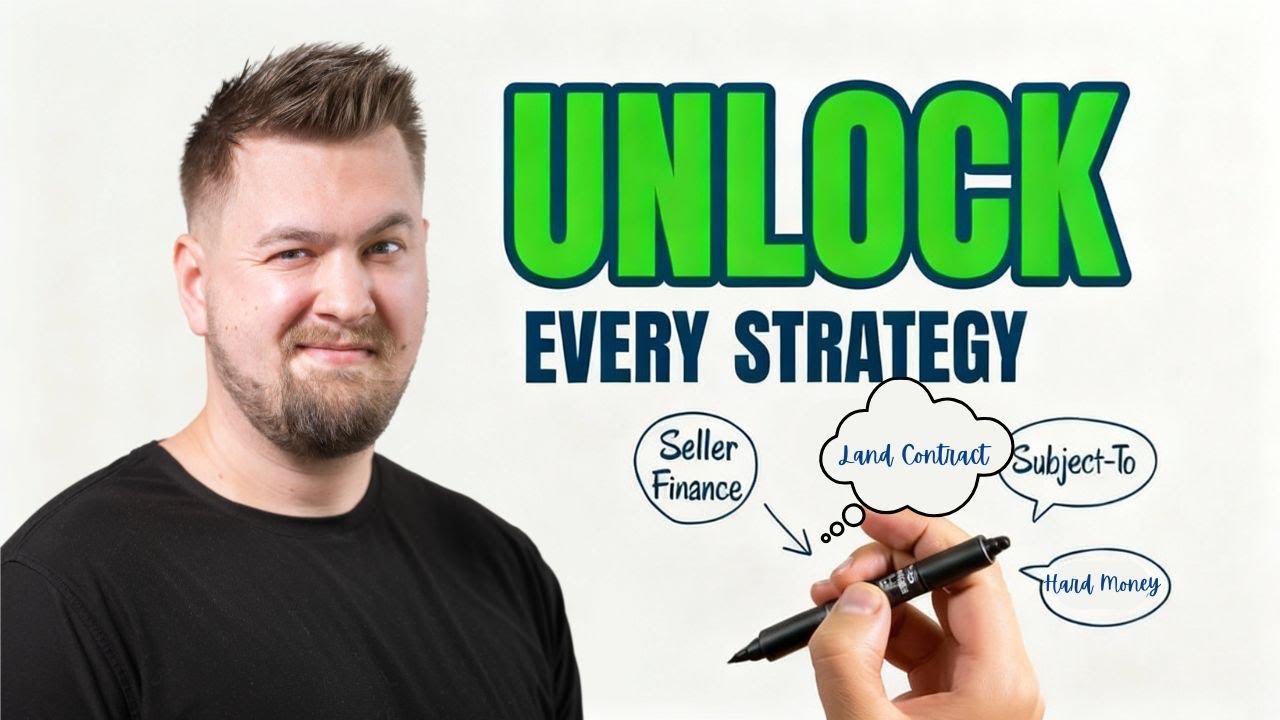
Creative Financing Techniques: Wraparound Loans and Seller Financing
Wraparound loans were discussed as a creative financing strategy where a new loan 'wraps' around an existing loan, allowing the buyer to make payments that cover the seller's mortgage while potentially generating additional income for the seller.
Related reading: Key Insights from Multifamily Strategy’s Live Q&A: Broker Relations, Creative Financing, and Market Choices
Cody shared an example of a zero-down duplex acquisition using a wraparound loan primarily to strengthen a relationship rather than generate profit, illustrating how creative financing can be tailored to specific deal goals.
Seller financing remains a powerful tool to acquire assets without upfront capital, especially when combined with strong business plans and aligned incentives.
Building a Personal Brand and Using Social Media Effectively
Many investors struggle with social media but recognize its importance for building a personal brand and sourcing deals. The panel advised starting small by posting authentic content about one's journey, acquisitions, and renovations.
Christian shared a strategy of leveraging viral content by reposting and reacting to trending videos in one's niche to rapidly increase views and funnel interested parties toward educational content.
Setting boundaries such as time limits on social media use and avoiding outsourcing content creation until comfortable were recommended to prevent burnout and maintain authenticity.
Ultimately, social media serves as a tool to attract like-minded investors and partners aligned with one's mission.
Choosing the Right Property Class and Market Positioning
The panel discussed investing in different property classes (A, B, C) based on investor goals and market conditions. Class A properties offer higher rents and loan sizes but are more sensitive to economic downturns and typically require a strong portfolio foundation before acquisition.
Class B and C properties provide stable demand, especially during economic downturns, due to affordability and consistent tenant bases. Investors were encouraged to specialize in asset classes that align with their expertise and market understanding.
Converting properties to different classes or specialized uses, such as 55+ housing, requires careful market research to ensure highest and best use and avoid underperformance.
Dynamic Pricing and Active Asset Management
Dynamic pricing was highlighted as a critical revenue maximization strategy. Adjusting rents based on occupancy and market demand, rather than fixed annual pricing, allows owners to optimize income and reduce vacancy quickly.
The panel described a hybrid approach combining automated pricing tools with human oversight to ensure rents reflect market realities and tenant quality.
Active attention to property management and pricing was emphasized as a key driver of profitability, reinforcing the idea that where attention goes, money flows.
Raising Capital and Structuring Investor Pitches
Webinars were recommended as an effective method for capital raising, allowing investors to present opportunities to multiple potential partners simultaneously without the discomfort of one-on-one asks.
Following webinars with personalized calls helps convert interested parties into committed investors by addressing individual questions and logistics.
The panel stressed the importance of clear business plans that address lender and investor concerns succinctly, focusing on problem identification, solutions, and expected outcomes to build confidence.
Finding and Marketing to Legacy Property Owners
Marketing to older property owners who may not be active on social media requires direct outreach strategies such as calling title companies for farm lists and conducting outbound calls.
Building relationships with these sellers is purely relational, relying on persistence and trust rather than digital marketing.
Investors were reminded to become the kind of buyer these owners are looking for by aligning their presentation and professionalism with seller expectations.
Read the original episode transcript
home stretch. Okay, I'm gonna make a quick announcement and then we're going to get to the uh the final Q&A where I'll bring the speakers from today up. That's Cody, that's Phil, that's Dylan. Uh we'll snag all of them again. Uh first of all, uh I'll need one of the speakers to take a picture of everyone from the stage because that'll be super fun for me to have and my phone is powering the computer. Um all right, a quick show of hands as everyone filters back in. >> Actually, is it a vast majority? How how many of you guys are here are already at some point part of the mentorship? You guys are you're vast majority of you which has been super super fun. I want everyone to notice something who's on the mentorship calls. Did you notice that it's everyone here are the people who for the most part turn their cameras on at the mentorship? It's all the faces that we recognize are the people who are here for the most part. There's one or two people whose camera are sometimes off. >> The people who show up and ask questions are the people who typically will buy deals. That is the most typical outcome. This is just something that we've seen very consistently. So, I just wanted to thank all you guys for showing up. This has been so fun for me to see all of the I I care about everyone in the mentorship, but when I see your face, you're just it feels like more of the main characters of our group are all here. and it really is super fun to see all of you guys here and to interact with all you guys. So, I just want to say thank you so much for making it out here. This means the world to me. Uh so, we are going to close here on a final Q&A. Um before we do this, I just wanted to mention if you are not part of the mentorship, you've probably noticed that there are a lot of people here who are. If you would like to talk to me about it, I do have a special offer for you. Flag me down right after this. I will talk to you oneon-one. I do not want any event to be a sales pitch. Notice we have no sponsors. I have not asked anything for anything and I'm not selling anything. This is just here to teach, which I'm super proud of. If you specifically would like to learn more about the mentorship and want to join this community, I am also happy to sell you things if you would like to. So, I know I am really happy to work with you and I really love this mentorship. One thing that I hope anyone who is new to the group would see looking in is that we've actually done a good job of coaching and building a community that is doing the thing that we are supposed to do. It means the world to me to get to see this in person with you guys here. So again, thank you again. Anyone who has questions, flag me down immediately after this event. I do have a special offer for you. For the Q&A section, I have 25 books. There are more than 25 of you here. However, if you ask a question for Q&A, you may also take a free book. They're in that box. So, that is my incentive to get some great questions and hopefully some fantastic answers. So, if all of the speakers can come up here, I have three chairs. I'll just kind of MC this. So, I'll stand. You guys can sit. My back's not going to let me sit anyway. I'm old. All right, we are here. We're final Q&A. We are end of the event. We've talked about capital. We've talked about deal structure. We've talked about creative finance today. We talked about capital structures, creative equity. We talked about sales marketing. We got a bonus property management structures. What questions do you guys have to close out the event? If you have a specific speaker, let us know. Otherwise, I will just assign who I think should answer the question. >> And if you ask Dylan a question because Dylan's not going to get any questions, Dylan's gonna give you an extra book. >> Taking questions. Okay, cool. >> Let's go. Come up to the mic. Ask a question. Ashley, >> hello. >> Hello. My question is for Dylan. >> Double book. >> Well, one of these people you can ask questions every day. So that's, you know, >> yeah, this is it's a marketing question. So obviously you've excelled in in what you do. Marketing, marketing and sales. >> Do you do competitive intelligence against like your competition? How does that analysis look? Like if and you don't have to share all your secrets, but I'm just wondering what kind of strategies you use from a marketing perspective. >> Cool. Thank you. Um, so first thing I share all the sauce and I don't hold anything with anything I do because the hard thing isn't the secret. The hard thing is the application. Most people are not unwilling. I could tell people I could tell everyone everything and most people will never apply it. Same thing as real estate. Christian, you guys have access to everything. So I just wanted to preface with that. Um, yes, uh, we do I have like a AI tool we use where it'll go through everything. But, um, most importantly, I would just say this that relates to everyone here. Um, there's a reason that Phil is in one market and doing very well. He was analyzing deals for nine months or seven months in his buy box. He knows exactly what his buy box is. He has eyes on it. He knows exactly everything in it. For me, we work mainly with coaches, consultants, course creators. I know everyone in the space because that's my niche and I can tell you roughly. I could look at someone and roughly analyze how much money they're making a month just by looking at their stuff. Um, so I would say whatever it is like for you guys, that's the idea with niching down, picking a market or a specific buy box is you start to learn that and like the back of your hand, you'll be able to analyze it. So yes, I do. Um, I would use Claude. Anyone use Claude? >> Yeah, I would I would recommend using Claude for anything. That's what we do. Um, so I don't know if that answers your question, but yes, we do a lot of competitor analysis. >> Awesome. >> Yeah. >> Thank you. So I have uh two questions but I'll resp be respectful and answer them individually. Uh first question is as far as uh expenses and income can you use credit card statements, bank receipts, that stuff to verify their information. >> Are we So this is for due diligence specifically or what what stage are you looking for what documents? Um, like I'll kind of narrow it down. So, I'm looking at RV park >> and the guy gave me some form of a rent roll, but it was like income per month. >> Yeah. >> So, he's got so many sites, but it doesn't say this site earned this amount, this site earned this amount. And so I was thinking and his expenses seem a little bit high to me. So am I able to ask him for, you know, proof of income, proof of expenses by using credit card statements, bank statements. >> Yes, that would be typically I would do that after we're under contract though if we had it. I would try to get enough information to make an educated decision or at least under a letter of intent so that you you're investing. What I don't want to do is ask everyone for a bunch of financials and have them inconvenience themselves, then we end up just not doing anything, >> right? >> I want to be an active participant in the deal. So, as long as we've hammered out everything else and we're working off the assumption of if everything that you told me is true, then I would like to be a buyer of this deal, that's usually when you would request the personal financials like a bank statement, credit card statements. But absolutely, and you should check every single one of those. >> Okay. Thank you. >> Absolutely. Thank you, gentlemen. Um, all four of you have been incredible. I've learned so much. Um, and very grateful for this knowledge. Um, so I guess it's kind of two parts. Part of it is for you, Dylan. I'm starting with not having anything yet. How do you even begin marketing that? And then I know there's it's like you have knowledge and a little bit of knowledge but there's all these rules like you have to be careful of is it SSC like you can't say certain things or certain syndications like so there's these rules but it's like you don't really know the rules so you don't want to make those mistakes either. >> Dylan then Cody. >> Yeah. I live in a world where there's no rules and then they correct me. So um uh so two parts on this. I was trying to explain um uh earlier here um what was your name again? >> Stefan. >> Stefan. Um he'd asked me he's like dude like what do you like you cool like you there's this funnel thing but how do I get people to it? I was like well I have a skill set that unfortunately costs a lot of money for people to pay for. Christian pays a lot of money annually you know month by month basis to work with me and my team. So, I don't uh if it was me, I would launch ads, right? Because that's my skill set. But I can't just ask someone to do it. But um through conversation, I was like, but if I if I had to rule out ads, I was not allowed to run it. I would launch a podcast. Um I think a podcast is the biggest hack to get anything you want for free. Uh here's why. You have the ability to ask uh okay, if there's a in Hemoth, uh your your where you live, um there's probably some successful business owners. Would you agree? There's probably some millionaires, multi-millionaires. >> Absolutely. >> Um, if you ask them to go grab coffee or lunch, they'll most likely say no. >> If you had a way to platform them and say, "Hey, you can come on my podcast." They'd most likely say yes. >> So podcasting is the best way to build relationships and you could call it, you know, the the Hemet investor investor club. and uh it's you know an everyday single mom that asks questions to successful investors and people in the area to learn how I can build my wealth. That's the purpose of it. >> Okay, that's wonderful. So, how would I get people to watch it? >> Well, the purpose of the podcast actually isn't to uh Yeah. Ads. Yeah. Ads. Um the the purpose of the podcast isn't to have people watch it. It's to connect with the people that are important that you could otherwise not. Christian I wouldn't even know. We haven't even done the podcast. Okay. >> It was but you know two years later we're friends, right? So it's not not about the watching, it's about the person you're sitting across the table from or across the the Zoom call. >> That is awesome. Thank you, >> Cody. On marketing and what you can't do specifically. Oh, well, I was just going to share what I've done to market and I guess you have some stuff you want me to share that I wouldn't do. But what I really focused on in the beginning for going viral online on a few things is I I got really crystal clear on that circle drill we've talked about so many times. You talk about relatability, goals, and significance, the three sectors. And so again, whenever I'm having a conversation with somebody or I'm doing a podcast, podcasts are really good for building an online space and getting people to want to work with you and trust you. But I always go through that drill with people I'm working with. So again, it's you mentioned you don't have anything going on right now, but at the same time, there's going to be some parts of your story that people can relate to. And so when it comes down to marketing online or trying to go like doortodoor or direct phone calls, which is a great way to start a relationship that again that relatability sector connecting. So there's some point that I can relate to with you. Great. Now we meet up. You share goals that you know where you're going that gets people to want to work with you. They have goals that resonate. And so if they just liked each other and they related, they probably wouldn't do a whole bunch of business, but because they have goals that are going the same direction, they want to work together. And then what changes when you get there, that significance piece in that drill, >> okay? >> And that creates buy in. And so that's where people will actually want to invest money into your opportunities. Even if you don't have like this crazy big track record in real estate, if you've shared that direction, what changes when you get there, that's where people take the chance. They give you the loan, give you the opportunity, and that's how I built my career. >> Okay. Thank you. Appreciate it. >> Uh, this is for Christian and Cody and maybe Phil. Um, I haven't heard you mention wraps. Have either of you um structured a wrap, seller finance wrap loan? >> I've looked at a couple deal. RAP is a perfect example of a strategy that you should have in your tool belt. It is an absolute you can use wraps. I have not had a deal that was where the wrap was the correct structure for what I was trying to do. Cody, have you had anything that you've done specifically on a wrap? I know you've had one or two. >> Yeah, Cody, you're Cody's really good at this. I do like the strategy. Cody, you're more applicable. >> So, I did this on a duplex and it was truly zero money down where I was basically making uh we did a new loan and I was making a big payment and out of that they ended up making their payment and they kept the delta. definitely possible. It was with a real estate contract. I did not do that deal to make money. I did that deal to move a relationship forward, which I've done multiple times. So, they had debt. They're trying to derisk. And so, I'm a more credible borrower than they are. I just I have a lot more debt than they do. And so, I was comfortable basically wiping that obligation essentially off their balance sheet. And so, that's why I did the deal. But there was a zero down duplex in Moses Lake. So, it's possible. >> Okay. >> What What is a wrap? >> So, a wrap, think about it like let's say Dylan has a loan for 50 grand. He wants to sell it to me. I'm for 200. I'm basically going to sign a a new loan for essentially the equivalent of 200 and I'm making a payment to him and that's going to cover his payment and then he'll keep whatever's left over. But it's like a wraparound where you're just wrapping a new loan around the existing loan. >> And so the existing one stays in place. >> The existing loan would stay in place. >> And Dylan, what's your podcast called? >> Uh, it's called Alchemist CEO. >> Alchemist. >> Hey there, Dave Snder with general questions. Uh, pronged if you will. And some of you say, "Ah, we already answered it." Yeah, I'm trying to get clarity. There you go. one, if I don't have the budget that Christian has currently, but I want to build a personal brand, I can kind of show you and tell you what I'm doing, but I would like to hear just in general from the panel in terms of what would you do? That's question one. Question two, out of concern for having seen, you know, what you about the Robin Hood, I see a lot of that. Most everybody hides expenses. Uh people have tried to buy significant properties for me and I can't find all of I didn't keep good records. So the second question would be how to do due diligence. I think Christian you just answered it which was if everything you say is true and then this yeah and due diligence. Any advice on due diligence would be question number two. Those are my two questions. >> Okay. >> Thank you. >> Let me tackle number one. >> Number one the first thing I would do I exactly what Cody and I did. This is one of the few things that we did right from the beginning. If you go back to the beginning of the YouTube channel was originally just Cody's like the first like 10 videos are like it was just Cody's YouTube channel. Then we just merged it and did it together. We told the story of what we were going to do before we did the thing that we did. And one of the sexiest things that you can do in all of business is call your shot and then actually do the thing that you said you were going to do. There was a girl, oh, what was her name now? It's been so many years. There was a gal at Co-Star, we're just going to call her Angela, uh, so that I have a name. She was super outspoken, really, really fun. Had no idea what the product was. Uh, but we did this pitch competition with all 300 reps. And she she somehow as a uh she wasn't even one of the sales reps. She was a support staff. They let her also pitch the product. Uh the CEO said, "Hey, whoever does the best job pitching this and we did the same pitch for three straight days out of 300 reps." He's like, "I'll just give you $100,000." Uh she won the $100,000. And she wasn't even one of the reps. on the day one recap video of the sales conference, one of the highlight reels was her being like, "Gonna win it." And then she won it. And I still remember to today she won it and then she got promoted. She's one of the highest up people in co-star, which is a massive multi-billion dollar company. She's one of like the top top executives at their company today. And it's mostly because she just said, "I'm going to win this event." And then she won the event. If you go in on YouTube or Instagram or Facebook, I've never figured out Tik Tok. I don't understand that platform. But if you talk online about what you're going to do and then you do the thing you say you're going to do, it cost you absolutely nothing and it can be huge for branding. >> And nobody remembers. We made one. It's not going to happen. >> Oh yeah. And we said a few things. We're like, we're going to do this and then I the video just dies. No one remembers that I didn't hit the targets. They do remember when you go, I'm going to do this and you do it, it lands. It's completely free. >> Christian, could I share the secret that you implemented 30 days ago that's made you uh given you millions and millions of views? >> Okay. >> Millions of views that no one knows exists. >> Oh. Oh, yes. Yes. Yes. That's >> one of you. Sure. >> You talking about the the real uh the trial. Okay. So, one thing that I have found if you're trying to get uh attention, so this is if you if you know you have something to say, find something that you personally find interesting. This is this is um I took over my media half of my media for 28 days and I brought my overall views from an average of 300,000 on meta to an average of uh 7 million on meta and it was like no work >> in the last 30 days. >> Yeah, it was like the last 30 days. This is like a little like side project that I was like, "Oh, that worked." Um so on meta, if you want to get a bunch of views, rapid scroll, do not get addicted to scrolling meta. Go through and be like what video in your niche captured your attention. If you were like, I found this interesting. All you're trying to do is figure out why did I find this interesting and would my audience find it interesting. Take the video screen record it. Post it. No edits. Just post the it already did well. Just post the video that already did well exactly the way it is. Don't change it. Do that one more time. If it works and gets a lot of views and then do a reaction video to similar things to that. So, who has seen in the last 30 days with Christian just playing with this? Who's seen me do any content on squatters? We got like four million views on like a few squatter videos. And guess what I do? I have some squatters and I have some videos where I deal with squatters. So, I took all of their views and then I just transferred their views to me. And this got several million people in the top of the funnel who now associate Christian with squatters. What are squatters associated with? Real estate. Now, of the people who are interested in the squatter thing, some of them, most of them, because it's millions of people are there because it's just catchy and it's interesting. I want to filter them out because there's one thing I know about them. They're not going to give me any money. They're not going to buy anything from me. My social media is a funnel. I if you're I don't want views. I want your money. >> Investors, >> I cannot take I cannot extract money from people who are not interested in me and what I am doing. It's not the right audience. So, how do I filter down that audience? I then will weave in content about the thing that I just talked about. So, I'll talk about how you deal with squatters and as an investor. So, I go from entertainment to edutainment to education. And what the algorithm starts to learn is, wait, when Christian does the thing, a lot of people watch it. So, maybe to the video that we would have sent to 200 people, we're just going to send it to like 35,000 people. And so a video that would have been super high value, very low entertainment will get a hundred to 500 times the views that it otherwise would have got. And then if you slow down on views, you just repeat the cycle again. Do a viral thing, react to a similar viral thing, give a valuable piece of the thing, and then if you have videos that really worked in there, Dylan's like, "Dude, post it again as a trial reel because it doesn't show on your thing, and you get to send it to new people all over again." But that worked for me. It took me like uh I probably spend personally about six to seven minutes a day. I keep trying to do it in five and I go just over. So I know it's more than five minutes but less than 10 and it's like seven to eight million views. That's not inclusive of YouTube which does a few million views as well. That cost you almost nothing. It's it's a free funnel. Dylan made it. Have you implemented it yet? >> Okay. Dylan hasn't done it yet. When Dylan does it, Dylan will do the same thing. >> It's it's literally just cheating. >> I hope that answers that question. What was your second question? >> Due diligence. How do you sniff out when people are being deceptive? Because I've seen a heck of a lot of that. >> Um, yeah. Again, it's sort of the same thing that I keep preaching. It's just repetition. You need to look at everything in your market and see you underwrite enough properties. You've repeated the process enough times that you can see a property goes like one recently. Um, you know, I have a number of units. I've underwritten hundreds of properties and I know that for a certain unit size round about give or take 10 units. Trash cost is about a h 100red bucks a month. There was a property I was underwriting that I made an offer on and their their cost for trash was 500. Like I've looked at every single property in the area and it's around about 100 bucks. 85 100 120 something that why you're 500 I don't know. went to Google Street View and sure enough they had 30 trash cans all lined up and they're paying on each every single one. Okay, there's an efficiency. I now know that that number is wrong. It's the same thing with all the other expenses. You can look at you can very quickly figure out what what are tenants paying for what you know what are they being back build for? What? Just by looking at the expenses and knowing what everybody else is paying like, okay, your your utility cost for gas is 3x what everybody else is. Oh, okay. Everything runs on gas in that building and the owner's paying for it. There's no electric charge. Well, guess what? The heat's gas, the stove is gas, the everything is gas, and there's very little electric. Or vice versa. Every the electric bill is skyhigh, and there's no gas. Almost nothing for gas. Well, guess what? the heat is electric. So, you can very quickly figure out what utilities and what mechanicals are going on in the building as well just by looking at at the utilities, but that you can't tell that unless you have something else to compare it to. So, you have to do enough reps, underwrite enough properties to sort of start to see, hey, this is out of place. Okay, let me dig a little more into that. All right, under, you know, is it enough to stop you from doing going under contract? No. You shouldn't be doing deals where the difference between a $500 bill and a $100 bill for trash is is a deal breakaker. Do deals that are much bigger that are have so much meat on the bone that that stuff doesn't really move the needle for you. You can be 10 or 15 or 20% wrong on your utility costs and be fine. But, you know, once you go under contract, then that's the time to sit down and sort of look through the nuts and bolts and figure out exactly what the just ask for the utilities. Call the utility company. What is it for this what has the historically been for this property over the last 12 months and just trust but verify. Don't let the don't let it not stop you from going under contract, but then under due diligence, go and verify. >> Yeah, >> I appreciate it. What I guess what I'm saying in the question is if you have a say a Vmeter on your soundboard back there uh on this side you have I guess what we call incompetency and over here on this side you have deception. What I'm saying is uh this I understand. How do we get around this when people have other accounts and they're not showing >> well? Yeah, the deception. You're going to figure that out really quick because you have a you have a vast knowledge base that you know this is what it should be. 11 units is going to it's not going to be $20,000 a month in utility costs. It's going to be 1,700 because every other 10 unit that's the exact same as what you're buying is is this number. So, it's just you have to look at enough properties to know you have to know your buy box really well and look at have them fed enough properties through it that you have a metric that you can use an eye that you can use pattern recognition to identify when some hey this is way out of whack here. What's going on? I'll do a very quick >> in multif family. The nice thing is a lot of things do not do expense ratios as your end math, but you do run a quick like, hey, an average expense ratio for a property in this market is usually this. If it's way off, the nice thing with multif family, it's boring. It's super simple. A deal looks like a deal looks like a deal looks like a deal. There's some variables with property, but if it looks realistic and normal, it's probably going to be more or less realistic and normal. If it looks abnormal, they're probably lying about something. In hospitality, it's wildly different. You get the same resort is making 50% different than it did last year. That's the numbers are crazy different. You just don't see that in multi family. It's actually a lot easier to detect, fortunately. >> Okay. I guess where I was going was how do you sniff out and and sort through >> is it in line with the local expense ratio? That's the first thing to sniff out. Does this make sense on face value? Does it make sense? If it makes sense, then you'll then you'll check the bank statements and if all the utilities line up and the rents line up and the leases line up, your odds of it not being correct are actually really low. >> Let me say it a better maybe a clear way. And that is if you're going through this transaction again, how what question would you ask? >> Oh, in this transaction >> to prompt them to find the account that they were hiding. >> Oh, yeah. On this transaction, you would have found someone who's already done resorts. You would have asked them what this looks like. If they would have said, "These expenses aren't nearly high enough." Then I would have gone to the owners and say, "How are you keeping employees at $60,000 a year for eight people?" And then I don't how else would you answer that question then? Like, >> oh, you know, there's a couple people who might be paid a little bit off books or maybe we're trading some favor. It's like perfect good data point, but that you asked a specific question about the line item in question is is the answer to that question. >> Thanks. >> Absolutely. Thanks much. >> Yes. Don't be an idiot. when you buy a resort. >> Um just curious and maybe it's different or the same for each of you but is there one relationship that has created the most value uh in your career? >> Oh uh let's lightning round this for everyone. Um >> whether it's lender, vendor or lender or contractor or partner or what or others. >> Yeah, one relationship for me there there's so many. The one that jumps to mind for me is uh doing uh real estate with Caleb specifically in Texas. Caleb and I work together really uniquely where we have no overlapping skills, which is just like a phenomenal thing. It can also be frustrating, but adding him to the business increased our deal velocity, leaving me to close, which is the best thing that I do. I believe in everything that I say and I can get really excited about the vision of a deal. So the selling someone on something that I absolutely believe in is the easiest thing in the world for me. It's like I'm like we we have our project. Caleb is amazing at making projects appear for me to be excited about and for me to present and for me to lead. It's that one relationship uh finding the partner who had the skill was the biggest thing for me. >> Phil one person biggest difference you. >> Uh this might be cheesy but these two um >> uh yeah no just it it was a cheat sheet to what not to do. I got to I got to just jump over all the hard lessons learned because I paid attention and listened and it just follow the path of people that have done the thing you want to do and follow. They'll tell you don't do this. Don't be an idiot and do X, Y, and Z. Do what they say because they find the people that have done the thing you want to do and go follow the path that they did. But they'll also tell you what to eliminate. That was the most value. I haven't had some huge disastrous partnership. I haven't had a huge disastrous deal that went sideways and upside down and overpaid or it just haven't because Yeah, you guys click the link below. Josh, clip this. Dylan, post this. That's an ad. Cody, >> oh my goodness, you're tall. Well, so there's a gentleman over in Grant County, and not to put his name on blast because we're recording, but as of early next year, I'll be paying him about a million bucks a year in interest. It's a lot of money. However, he has taught me in a way where I can buy assets without any of my own money that can generate more than that because I'm not in business to break even. And I'm definitely not in business to lose money. This is someone where if I did name them, you and I would not both know them. They're not famous. They have other assets in addition to that. But the First National Bank of Cody will be paying him a million dollars a year starting next year. Right now, it's a little over 625,000. So that's going to scale up another 400 grand and change very soon. But people have what you want. and he has allowed me through seller financing to acquire assets that can generate a large amount of wealth. >> Just want to add to this in my world because uh as you were thinking about as you asked that question I was thinking I don't know if there's one relationship but then I process if I had to get rid of every relationship in my world except one who would I hold on to >> and there's one key employee that's been with me for about nine years. He came to me uh when he was not in marketing at all. He was a autoglass installer and he got connected to me. Started him at three grand a month which is like not livable wage. Um you know for uh for for most people he's got a wife and kids and this was nine years ago. I worked with him every day side by side. He moved out to Vegas to work with me uh over a period of about a year and a half and cloned him to be to know everything I know to the point now where not only does he know everything I know, but he also knows he's significantly better than me at many things. Uh I've had business partners come and go. I've had I had at my peak 75 people in my organization. I had a sales team of 40 people. I had a massive office. I was paying 20 grand a month for my office space. And every single person, my friend, came and looked at my org chart and said, "Just so you know, 10 years from now, you won't talk to any of these people." I said, "Yeah, right." Uh, he was right. Everything one except for this one person. So, I'd say like my that key person who you can clone or have integrated into your business like a Caleb, uh, who can then ride or die. Now, he's making well into the six figures working for me as a job. And, uh, yeah, so that's who it is for me. >> Thank you. So this uh question is for Dylan and your line of business. Do people use your business to create a investor pitch and if so can you give an example of how they would do that? >> Yeah. So giving an investor pitch like a actu like a hey here's some investors here's the opportunity do you want in? >> Yes. >> Yeah. So we do that a lot in a lot of different areas. We I realized uh after in 2022 uh I had my best month ever in business. We did $2.3 million in sales in one month. Um and the next month my business partner uh disappeared with all of our money. And he was the main guy. I was the number two. I was kind of like the operator behind the scenes guy. He was the guy who sold and did all this stuff. I had never sold anything more than a flying squirrel. Um, I didn't really know how to sell. I hated asking for money. It's very uncomfortable. He put me in a room. I wouldn't wasn't really good at networking. Uh, and I was looking at a $250,000 a month payroll, a $20,000 a month office, and zero of we had no recurring revenue. Uh, so I said, what am I going to do? Uh, this is when I learned how to do webinars. Uh, one to many selling where I can get 50 people on one call. I don't have to ask any one person for money. I just say, "Here's what I'm doing. If you're interested, here's a link. Take the next step." And it changed my life. It allowed me to push through all those financial hardships. Uh allowed me to build a business. And now we do set up webinars for other people. So, um one too many selling where you can invite a group of people on to a a Zoom call >> and you just explain the opportunity and if you're interested, you're interested. That's how we do it. Yeah, >> one quick one quick note on that for multif family strategy. Everyone who is a mentee in multi family strategy when you have a deal I love this webinar funnel uh the most recent one I I just got a a message on my phone like three hours ago uh David Cantero David C in our group uh he just ran one. I will post it on the school community when you are doing the capital raise. Uh it is the way that you do it. I'll help you market it so that you're not an SEC violation. But it is a webinar explaining your opportunity, how you are structuring your deal, asking for feedback, and a soft invitation for if you would like to learn more, book a call with me. What I did on our last $10 million of raising, I booked one-on-one calls with every single person, and I went through the same presentation with every single person. And it literally destroyed my life for three months. I It was every second I wasn't coaching, I was just pitching. and it was the same pitch. It was such a better model just to bring everyone onto the pitch and the people who wanted to take the next step can just text me and then it's it's more the conversation is more like hey let's get through some like logistics details of like how they're wiring the money and what the paperwork looks like instead of pitching pitch everyone at once. uh the easiest way for a capital pitch once you have called the people in your phone book your immediate relations next step always that webinar you can post those to our whole community uh David just raised $300,000 only with the webinar and he ran and he ran two iterations his first one 100 grand second iteration 200 grand and he ran another one today so ostensibly he raised more I don't know we'll find out >> right the potential of the people on the uh meeting could probably let other people know also. >> Yes. Every time you sell anything ever, you always ask the other person, who else is this a good fit for? >> Right. >> That is an automatic sales thing. Yes. Always. And it is amazing how many times that person has more people with money on a deal. It's the most common thing. Uh someone who's an astoundingly talented capital raer raiser is Mark. Mark is very good at aligning capital. Mark worked on one deal with me and he's like, "Oh, I know someone else." I was like, "Oh, that'd be really helpful." And then he brought another person. He brought another person. He brought another person. Matt's brought uh one of the like key relationships that I have on deals. They specifically want to invest in Litec. They are on our GP team for almost every deal. Literally just came in because I was doing a deal with Matt and I. I asked Matt, "Hey, do you know anyone else?" He's like, "Oh, I do." And they put $500,000 in a deal. and it's been a fantastic deal. Uh, it's literally is the best thing you can do in any sales. Always ask who else would be a good fit for this. Easiest way to make money. >> So, what is your I think you said it before, but is it like a rate of return uh an average of about 10% is what you said, right? uh cash on cash return. If I'm looking for an average day one where I'm really comfortable with it, like on a kind of bland deal with like average upside, just average deal 8% really great starting point. If I have more upside, I'll go lower, but it must have positive cash flow, which means we have a DSCR. I really like to see that around 1.25 or higher. If I hit those metrics, I'm happy to go. Your full return is going to be a blend of the upside as well as the cash flow. So it needs to be a combination of the both that usually results in them doubling their money in less than five years. >> Okay. Thank you. >> Absolutely. So my question is around the expense ratio. Uh for a quick analysis when you look at deals on on Craigslist or Loopnet, would you consider would you know what the expense ratio is for that market for this size of apartment building and try to calculate that way? Because I've heard the idea that the expenses from uh the brokers are kind of trash like sometimes. So do you use that instead? >> Buyers are liars. Sellers are worse and brokers are worseer workers do terrible math. That is why when Eric was like absolutely consult your broker and I was like absolutely do not get their opinion on your math. They are there to sell you on the deal. They are there to get the transaction closed and that is what they are paid to do. The incentives always need to line up with the injectives. They do not they are not incentivized for you to do good math or incentivized to close the deal. And so you always know that with brokers. I love Eric. He'll never steal you steer you wrong, but like it's not a best practice with brokers because their incentives don't align when I am doing uh deals like that. That is just my number one rule. So, in negotiation, you should know for your market what is an average expense ratio. There's some markets that have really high property tax like Texas. Our expense ratios are higher, but our prices are lower. They offset, but it's good to know what a normal expense ratio is. Cody and I definitely know what is an average for Grant County and it looks a lot different than Texas. You should just know for your markets in in your case where you're looking at like Washington and New York, they're going to have different expenses. You should just know roughly what those averages are. If it's egregiously off, you know, there's definitely a problem. >> Okay. And then the second question is regarding like you know for new for beginner investors like around like B ABCD neighborhoods uh like what would you start like Cody's a great one for you? >> Well don't do what we did by F. So that was a mistake. Wouldn't do it again. If it were me starting over I'd be in C and B for sure but I would have transitioned into A sooner. So, I've been doing a big transition. U My wife and I just bought our first eight figure asset and it's a class A deal. 235,000 a door, 56 units was uh for the purchase price anyway. And so, super excited about that property, but I wish I got into that sooner. I had an opportunity to do it sooner. Seller financed as well and I chickenened out. So get in and see to B, but when you can transition, I would transition out. >> Absolutely. >> It it depend it depends on who too who you want to rent to. Um you know like the other thing to consider too is in A classes is great. It's great stabilized long-term play but in a recession people can move down. So C and B-class, there's always going to be a tenant pool, especially C-class. Everybody always needs cheap economic housing or economical housing. So C-class I like a lot because it's it's just always going to be a thing and there's always going to be people feeding into it. You can come down, you can go up, but there's just always going to be people in C-class. Now, it's nice to have something a little nicer in that C-class neighborhood. My stuff is sort of B minus C in a C-class neighborhood. So everybody that's looking around at other C-class stuff, hey, this is a little bit nicer for the same price. Okay, we'll go with that. So, and then then just consider who you want to rent to. Are you in a D or a C-class neighborhood where the people are really low grade and they're going to cause you a lot of problems, or are you in a little bit nicer part of town where you have nicer clientele? Just who you want to work with. >> And I think that the I think the answer at the end of the day, swap mics. I think I think the answer at the end of the day is you I really think that you should specialize in a certain asset class. You should find what you do best. And Cody's like, hey, I'm really enjoying A and this really resonates with how I'm like doing stuff. You should definitely keep doing A. Like that's it's not like, oh, I do C, so Cody should do C. I like C and B as well. I I really do well and affordable. We keep it leased. It's simple. It's repetitive. And the problems that we have are consistent with those tenants. You still have problems with A tenants. It's just different problems. Are are these classes like actual are these just opinion classes? You're just like hypothetically that >> you generally you generally would have ABC class properties or F >> F is like the septic's bad, they're dealing drugs, it's just terrible, the roof's about to fall off. >> It's not an official grading system. >> It's a little subjective, but when you're in it's one of those things. Yeah. It's it's kind of like >> a >> Yeah. No, they post it on the outside of the building. They just tag it with ABC. >> If it's tagged, it's F. If it's tagged with F, it's F. >> Elgen, >> uh, good evening, gentlemen. >> Good evening. >> Incredible opportunity to come here and learn a lot of things. >> I absolutely agree. >> Uh, >> listening. >> Post it. >> I'm just kidding. He doesn't do my posting. >> That's all right. He should. One of the things we mentioned while we were here, but we didn't get into, and I think it's really important because it's an underlying theme >> that you gentlemen are talking about and that you guys are doing, including that young man who's doing an incredible job >> working through the the diversity of losing all the money for your business. Business plan, business plan, training. you know, we're trying to buy that first, second, third property. When do you get to the part of knowing how to make yourself bankable by having a good business plan and being trained on what's going to make you money in the long run? >> I ask myself, if I was the lender or the investor, is this business plan good enough for me to invest in? That's that's basically it. It's like the It's like the classic uh quote from the office. I asked myself what an idiot would do. Then don't do that. I basically just go and say, "Hey, what what needs to be done?" Uh I'll give it a practical example for what I did in the meeting with the bank last week with Caleb. Uh Caleb negotiated the entire custom bank product. My only ask was once we get on the pitch, just let me close. Everyone shut up and just let me say the thing. No one over talk. No one overshare. your lenders specifically. So this for your business plan for a bank. Your lender is not your friend. If you give them too much information, they'll find a reason not to give you a loan. If you tell them what they want to hear, they're going to be super excited to give you a loan. So you just need to communicate what would I want. In this case, we identify what is the problem. They are low on occupancy because the owner lost their property manager. Were unable to replace them, and they went from 95% occupied to below 70. They're back up to the mid to low7s, but they're struggling. The bank's problem, they do not want to take back the property because it's in a tertiary market. What is my business plan? I've already driven the property. So, when they're like, "Okay, what do you guys think you're going to be doing at this property?" I I've already driven it. You saw the paint color. I saw the paint color. We need to repaint the building. It's It's just an ugly building. I also have checked out all the buildings around it. They're nicer and will never be as nice as those buildings. So, I know what we are. We are a class B minus building in an area of B+ buildings, and we should be the most affordable building in this area. We should still be way better, but we are not going to try to match their rents. And you could see everyone on the call, you could just see them calm down. They're like, they understand the asset. I'm like, number two, the road. We're going to rip the entire road out and we're going to put a new road in. I'm ready to spend a million and a half dollars on that. We have to spend a million and a half dollars on it and it's going to be done. They're like, "Okay, good. No further questions. Those are our problems as well." A simple business plan. I I've identified the problem. You don't want to You want me to fill up the property so that we can pay you rent. Here's how I'm going to do that. Here's its position. Here's what I'm fixing. We'll find other crap when we're under contract and we'll fix that, too. That's that that's the business plan. Second, second question I'll get out of here very quick. Multif family strategy deal debt equity. What an eye openener as a structure. So it's incredible because it's so thoughtprovoking. What was the catalyst that brought that together that is become probably our theme? This is the way we operate in this community. Cody and I had the worst mentor that you probably could have. I mean, he was probably top 10 for pretty >> There's always worse. >> Yeah, there's always worse, but the worst that I've seen. Um, he was actually individually very amazing at being creative. He was he was a fantastic mind for he could just figure out a way to get everything done. The problem is he had absolutely no ethics to back that, which was the whole issue with him. what I learned from him that was positive. There is a way to do almost everything. And funny enough, he was the one who told Cody and I, well, you can't do every deal. And Cody and I, I remember sitting on the stairs of his building right before he lost his building because he's an idiot. I remember sitting on the building being, what if we could buy every deal and what would that look like? And we pretty much came up with, well, what is buy and hold? It's how do you buy it and then you have to not lose it? And if you do that, you'll be rich. This guy had already lost all of his condos. He bought the offices. Cody and I looked at the deal when he bought them, and we said, "Well, he's definitely going to lose this. There's no possible way." His deal would almost work if his rundown vacant building in Tacoma during COVID as office got the exact same rents that Amazon was getting in their new building in Belleview. If if they matched it per square foot exactly, the deal would just barely work. Whoa. But he got it closed. Uh, so what I learned is there's always a way to do it. Then you have to ask yourself, should I do it? Which that guy was incapable of doing. >> But that's how it came up. It was just we had a bad boss and we learned cool stuff. >> Is that pretty much accurate? >> Grab a book. Yeah, absolutely. Those are the rules. Box of book there. If you guys ask a question, grab a book. >> I suppose we could do that. Yeah, I have a pen somewhere. Absolutely. Fine to me later. >> Hey, Phyllis. >> Hello. Um, I didn't have a specific question until I got in line. Wanted to listen. There's a a few people through my journey that I've heard similar to the the Cody story where you have a a gentleman um that you come across that maybe they have nobody that wants their property in their current circle, right? They need to offload all their property in 95 years. They want to exit. Maybe they're 87 years old and they're done. Mr. Marketing Guy, >> is there a way to market to those individuals that are hidden amongst all of us that's like, yeah, they've built up portfolios over the past 30 years and they're like, I have nobody to give these to. I just want to transition them to the next generation. So, these are old people that a lot of them don't even have social media. >> Yeah. No social media. >> And many of them don't even have phones other than a flip phone. >> Yeah. Yeah. Big numbers. >> Yeah. Yeah. Roary phone. Um so here here's my experience with them. A similar audience is uh is commercial real estate brokers that want to sell commercial warehouses that have been in that you know that organization for a long time. And how I've understood those people and I've helped those people is it's purely relational and there's no secret sauce. I haven't found some secret database where all these people live. Um and so it's purely just the strategy that I've learned from these guys which is it's just what I should know. So Cody does have a database where all these people live. There there is actually a database that has every single owner. >> Okay. Cody, where is the one place that people can go to find anyone who owns a piece of multif family property. >> My phone. >> Google Maps. >> Yeah. >> So, if you want a place to start, call up a title company, ask for a farm list, multif family that hasn't traded in the last 20 years. You can then take their information, get the contact info from the internet because it's on the internet. You're going to hit their dialer system, and then you can try and meet up with them. Yeah, that's finding them but not necessarily marketing to them. So basically, >> well, marketing is direct outreach. You're not You just said they don't have social media. You are not going to run an ad that's gonna hit them. >> Yeah. Yeah. >> So direct outreach. Outbound calls are the way to get to those people. >> Basically, his answer was, yeah, do the strategy, >> which is >> well, but you know, but Cody just gave you the how. I gave you like he actually gave the tactics. I just gave you some woo woo idea. But but but Here here's the most important part is uh this concept someone told me a long time ago in dating which I've learned has related into everything else in life. The person you're looking for is looking for you. The person you're looking for is looking for you. >> Yeah. Yeah. >> But you have to become the person the person you're looking for is looking for. >> Are you the person that those people would sell to yet? That's what marketing is. We build the assets that speak to those people. So like that's literally the car you drive. Are are they driving a 1990 pickup and you show up in your Mercedes? They're going to say, "Look at this prick." So drive your F-150, you know, are are you wearing a suit or are you wearing overalls? So anyways, that's that's my marketing advice. >> No, I love it. Thank you, fellas. Appreciate it. >> Hello, Mark. >> Hello all. Thank you for being up here. Thank you for a great event. So, what triggers this is our last couple of adventures to city council and planning. We're buying C's, we're buying B's. Cody, congratulations on stepping up to A's, but you're not building many or any of them. When does the business case become we should start building this stuff? Because everybody teaches it's cheaper to buy than build, but where did all this inventory come from? >> So, Cody is building them, which is a perfect answer. I have a preference. Cody has a different preference. My answer is I like what I do. I did the Robin Hood. I love the Robin Hood. I'm never going to sell the Robin Hood. I would never do this again in a million years. I buy deals that make money day one and I add to my income and I keep it stupidly boring and I do it again and again and again and it scales and I love it. Cody just did I You just finished building. You just got your CFO, right, for your >> for two of them and then the next two. >> So Cody is literally building the buildings that he bought. He bought buildings then he's building the exact same building on the lot. So Cody, how has that process gone and how are you taking these how are you taking what we talked about today and yesterday into development? So getting into development violates like one of the most important rules in real estate. It doesn't cash flow >> and then it violates the next most important rule. ly below replacement cost, >> right? >> You can't build below replacement cost. Turns out it is the cost. So that's pretty bad, right? So when do you get into it? You get into it after you have built the portfolio of buying assets below replacement cost. For those who don't understand why that's important, if I go buy a 10plex for a million dollars and it costs a million and a half to build it, >> I can charge less rent than the people that are going to build the similar product. And so I can out compete any new competition. No one can steal my tenant base unless my tenant base wants to pay more rent. And new development, I'm at whatever return works for me. like I I can't really afford to to drop down to the same price as everybody else. So, I'm going to hold that a little longer. So, someone else could go build the same sevenplex next to my seven and steal my tenants. We're building it at the same cost. The reason we talk about buying below replacement cost is if it would cost $4 million to build the 39 unit that we bought for two. So, we could rent stuff for half the price of the new development, right? >> 39 unit. So that um you're going to violate some rules. So when do you get into it? When you can buy a project that has land already attached where you can expand the property. >> Okay? >> That's where it's really going to make sense for your first few deals. >> So I bought 42 town homes and then I'm building another 21. Started with 14. Then I'm going to build another seven. I have another property where I bought it has an acre of land, six apartments in the front. I'm going to build 10 town homes in the back. But it came with the land. So, I'm going to be able to build it for less than if I just went out and purchased land to build up. But I started with cash flowing real estate first and then I'm only doing the add-on. I'm not just doing a standalone deal. >> Okay. And then how do you with how careful you are on making sure you make a dollar on every dollar you're invested that all is unwound on the construction. I understand taking advantage of the land that you already have. We have big campuses on a few of our places or neighboring lots that would be nice to expand into. But are you just thinking, all right, this is not my today project. This is something that I'm going to own for 20 or 30 years because there's less maintenance, so it'll pay off on that long horizon, or what's the motivation not to just use that same money to buy another 70s 10 unit? So on the project where I'm just doing the expansion play, the type of loan, the reason I also like class A is the dollar amounts are just bigger relative to the units that I have. So instead of $1,000 rent like a lot of Mosake stuff, I'm getting almost $2,000 rents. I'm starting to get into the eight figure loan size, which has much better pricing than seven and six figure loan sizes. So, I'm actually able to do this expansion play and pull out 100% of the money, not have any money invested, and have a non-reourse loan. >> So, infinite return on class A. >> Yeah. >> From the get-go. >> All right. Thank you. >> Okay. This kind of piggybacks with that any downfalls of converting it from like a a C to a B because I totally agree like getting better tenants all day long. Um so we were talking somebody was wondering if there's any downfalls and to piggyback on that downfalls of converting one to 55 plus like if we got that 22 unit. >> Okay I I'm I'm I'm fairly qualified to answer both of these. There is a certain class that your building wants to be. If you are in an area of all C buildings and you build an A, you're just going to have an underperforming A property. >> You there's something that the building wants to be, your question is highest and best use. So that example in Long View that I used is actually perfect. We're in a I would call that area B+ area of town for the 200 unit. The average building around us, all of our competition is B+ A minus. I do not want to be my exact competitor because I'm competing against the exact same thing. We are a lowercost place where our tenants and I look at the cars that are in the parking lot. I look at the tenants who are walking around. The average person is someone who wants to live in that area and they want to be a B+ person who has a C+ budget. That is that is what that is the market that we are serving. I want to live in a nicer area than I can probably afford. We are the housing for those people. Knowing what we are, I'm going to be at crazy occupancy very fast because I know what I'm renovating to and I know what I need to do to execute the project. But it's really the building will want to be something based on everything around it. Don't try to force it to be something else. >> Some people, we actually got rid of investors on a on all of our freight deals. I had partners who were like, "We have a C property. We want to go A++." They were crazy. I was like, I we don't agree on anything. This partnership is not going to work. We need to end this agreement right now. I am going here. You are going here. And uh I know Grant County. Everyone else is also going here. We're going my way. But yeah, that's how you tell those. Well, you got a a part two uh 55 plus >> two unit like cuz I think it's like 65% right now. 55 plus. So just like converting that. >> Oh, it's already partially 55 plus. >> Well, I mean just by nature. Yeah. Oh, by nature that. So we were like, "Oh, as we have turnover, we could just intentionally market it that way." >> I would spend the time to identify what is the need of my area. We turned a hotel, this is not my business model. The highest and best use for the hotel that we converted is people who get out of prison have midterm housing that the state pays for. >> It is needed in that city because there are zero other buildings that are doing it. >> It is just what it is. best use for the building, helps the community, makes money, keeps it leased. So with 55 plus, if I'm in a market that does a good job servicing 55 plus, probably not interested. Most markets are grossly under service for 55 plus. This is the year that boo the first boomers start turning 80. The the oldest boomers just hit 80. So we're getting more demand than ever. You're likely a pretty smart conversion. We love 55 plus. I would just do some market research before I just said yes, this is a good idea. >> Awesome. Thanks, guys. >> Absolutely. >> Clarifying question on the A's because we hear, you know, Grant Cardone's tribe loves A's and you explain why you love A's. if you hit a recession, a correction, um, say in another '08 situation, kind of hard to replicate 08 because you don't have the stupid 125% equity everybody's had to qualify. You don't have the same thing. But if you did, how does that impact the A and I'll tell you why. U, I live in uh, 22 years ago bought house on Green number 11 of a gated golf community. here. Over here's another nicer gated golf community. And they built an A right in between them. So, you can go get a golf membership either place and they're gorgeous. Amazing. And they st they booked up fast. Really? I mean, you go to the Porsche Club. Hey, where you're new. Great. Where? We live in the ash. They're buying. I mean, these people that could buy anywhere, they're renting in these A's. So, how does a recession fit A's? And I doubt I'm buying into A tomorrow, but how does a recession affect you in the A's? >> Sure, it's going to hurt. Absolutely. But debt coverage is everything. This is the same thing I talked about for math yesterday. If you're at 1.25, probably shouldn't do class A. Not a great idea. I have some at that debt coverage ratio right now. I'm also 26. Like I'm trying my best, right, to to upgrade. You can't have everything all at once. It's going to take time. But as time progresses and I don't keep levering those up, those actually start to get paid down. Get them to the 1.5. Like if they go from 1.5 to 1.1 or down to 1.2, like not ideal, but I'm not going to lose it, right? Those will get hit the hardest. I also didn't get it into class A until my wife and I became the largest private landlord in the county, which you know, we built a massive business of class C and B. So, even if we take a big hit on this, which now that I'm saying it, I don't want it to happen, right? But we could survive. >> You're resilient. You can >> We have the workforce housing in the class C and B. We've got hundreds of apartments like that. and you cash a couple hundred a door on hundreds of apartments, you can take a hit on a a little 56 unit class A building. >> Thank you. >> So, I think I've found a a solution to my uh financing problem just by being here this weekend. Uh I feel I'm twothirds of the way there. I I think I'm going to try to get a conventional loan and I'm going to try to talk to seller into taking a second position on the down payment. My dilemma is where do I come up with the money for capital expenditures? Any suggestions? >> So for capex in every deal if you have capex that you're doing, it's just part of the whatever capital raise you're doing. capital raise. Unless you have crazy cash flow, like just absolutely insane cash flow, you're probably going to do it through equity. It's going to be the equity. You're gonna have other investors who fund the capital upfront for the deal. And you want to raise about 1.5 times what you think your capex budget is, >> right? Obviously, a good 200,000, but after hearing that, probably more like 300,000. >> Raise 300,000. Spend 200,000. If you hit on budget, then you just get to send $100,000 back to the investors. Bonus. We have extra money. We don't need it. Much better conversation than I need more money. >> So, >> doesn't land. >> Do you think you could or I could talk the owner into financing the uh capex? >> Sometimes. >> Phil shaking his no. This guy's crazy. >> But sometime it depends on their position. >> Yeah. I I have I have had owners actually suggest in the offering, hey, I set aside the deal that we're doing in looking at doing in Waco. We're we're not under contract for it. I actually am not going to do it right now. I might do it in a year. The problem that they are specifically trying to solve is I don't know how to do this Renault. We set aside money for it. The pitch that they gave us is if we can assign our note to you, we'll give you money for the Rena. So, I had a pitch for a huge property, like 270 rentals where they're like, "Hey, we will pay you to take the building." Uh, the problem is there's a reason they're paying us to take the building. It's they've screwed up their it's student housing. They screwed up their pre-leasasing. There's one year where this thing is going to be in pain. So, I pitched that particular deal is a very unique clause that we didn't cover here that I won't go into in depth, but that is the lease option. I need to take over your management to get this in a condition where we could purchase it. It is is it is an untransferable property in its condition. I need to fix the core problems. That is the answer to that. But there are occasions where the seller will pitch. I'll pay you to take the property. I'll I'll pay the rena. It does happen. It's super rare, but it happens. >> I had a situation similar. Um, >> yeah, there's a deal. The the seller that I bought my first and second property from, they had a third. And he was calling me how to, hey, how do I do what you've done to our last two properties? I want to do to our third. I'm not going to tell you how to make the property worth more so that I have to pay more. >> Um, so he that's Yeah. Then he came to me. He's like, "Well, what if we what if I partnered with you?" Like, "Well, okay. What would that look like?" And we started looking at like, "Here's what I do. I bring this much money. you're you're going to have to bring this much capital so that we can go and fix all the problems. So, essentially, this was a seller financed deal where he was funding the renovations. We ended up do, you know, I went through the property, we found massive sewer problems and flooding problems and I just nope. But the only way he's ever going to sell that property is he's going to have to either fix all the problems. It's just not bankable. That's that's a situation where the seller would want to fund more than the purchase price or seller finance 120 or 30% or whatever the number is, >> right? >> Um yeah, it just the properties have to be pretty rough where that makes sense. >> As we're coming up uh close to time, we're a little bit over time, but we knew that was going to happen. >> Do you guys mind if Sam asked the next question? Just because you haven't had a chance to ask a question yet. I want to make sure we get some new questions in there. Thank you so much. >> Yeah, I haven't asked one yet, but I got to get one in. Um, I found myself I do not I do not like social media. U, but I find >> neither do I. >> I find myself using it more and more in my business all the time to vet tenants, to make connections, to find contractors. I find it kind of a primary way to do this. >> Um, what would you guys say? I feel like I'm also missing a lot out on a lot of opportunities just because I'm not posting what I'm doing. I'm not posting renovations. I'm not posting acquisitions. Uh what would be like a first step as far as what role would you see it playing in a business? And what would be like a first step to start? >> The one thing I can 100% tell you is that when you start posting content, especially when you don't want to, you will be bad and that is okay. We start out as bad on just about everything. But what I would do is I would start telling the story. No, if if no one knows you, they cannot interact with your business. That is just a a fact of business, >> right? >> But it's completely free to tell the story. So I would I would if I was to start over with no skills. So, if I had absolutely no idea how to do it, I would look at my niche and I would say what people in my niche, maybe look up a hashtag or, you know, search a phrase or two of like, hey, what interested me when I spent 30 minutes looking through this niche? If I'm going to start content, what worked for them? Which means it got engagement? What thing had a lot of likes, a lot of comments? If it interested me, it probably interested someone else. I should do something like this. It's a great starting point. Just build off of the success of someone else and find your voice. That would be my advice is just start doing it. >> Okay. >> And you're going to be terrible at it when you start. I still haven't figured out how to get good at it. I just do it enough where sometimes it works. >> Yeah. I was kind of thinking like is this something worth like hiring? You know, I see all these, you know, like Dylan probably knows all these. There's like these Fiverr people or to get them doing content for me. >> It is so easy just to post something. Don't outsource it. >> Okay. I just don't like it. So, >> yeah, don't outsource it until you've done it a little bit, but don't put a lot of like don't put a lot of effort into it. Do an honest video of what you're doing. >> Okay. >> Post like once or twice a week just to get >> used to doing it. Someone will find you and all of a sudden they'll they'll have an idea of you'll have a deal and you'll talk about it and someone's kind of followed you for a while and they're like, I would love to do this deal with you. Like, wow, I just made a we just brought in a ton of capital because I did one post. So >> yeah, I I I made one post as a trial and then I was amazed at how productive it was because I had people saying like, "Hey, I got some offmarket properties. Hey, >> hey bro, I got some of these. Hey, you interested in this? I see you're buying it." >> Is is that your main focus right now is buying or what what's your main focus right now? >> Yeah, correct. Mainly acquisition. >> Okay. Based >> acquisition based. So I'll tell you this. Once you uh the the best thing to use social media for is to get other people behind your mission. My mission right now is to build the number one agency for coaches, consultants, course creators, experts. Um I've created a community of people who are rallying behind that mission and uh I will make content and people will come out of opportunities will come out of nowhere. Some guy that I forgot about from 10 years ago will be like, "Dude, I'm doing this or doing that." And you don't see that, right? So number one, I think it'd be like share your mission and like what the why you're doing it. Um, and then number two, um, uh, is being clear about what what you're doing with the the buying. Okay. Um, and and speaking that out and shooting content. So, what I would challenge you, what I have a question for you on is why are you feeling resistance? You said you don't like social social media. Why is that? >> I feel like I have enough problems being on my phone too much. >> I'm just like, I don't I don't want to be on it. I don't want to be at at night. I want to be on it during the day and then just be with my kids, be with my family. But I'm like, hey, maybe this is part of building a business. Like, this is part of the delayed gratification. I just got to do this. I got to build this up. But I do see a tremendous opportunity because I know there's a lot of investors locally. People know who the main investors are. And it's like, hey, oh, you got this property. Hey, you know, so and so I see all the time on, you know, the investor group in Rockford or Facebook. People know who the guys are on social media because they're posting all the time for a long time and they it's everyone is just like, "Oh, you should talk to so and so. Oh, you were looking to get rid of that thing. You should talk to so and so. He would take it. So, I know there's >> So, you're concerned that you may spend too much time on social media. It may get you sucked in. >> That's that's one concern. Yeah. And I just don't like the all the interactions and replies and there's drama and there's, you know, you're one of those landlords trying to do the you're you're trying to keep the people, you know, there's it's just I'm just like I don't I just want to go do my thing and >> Yeah. Uh, but I know I'm missing out on a big opportunity, so that's why I was like, is there any way I can outsource this? But I'm happy to do it. I feel >> What's your market? >> Uh, Rockford, Illinois is where we're at. >> Oh, yeah. I I would challenge you. >> There's there's just a lot of I mean, real estate's growing in popularity. It's everyone's wanting to get into it. It's just this there's a huge social media buzz in our town, >> dude. 100%. I So, number one, I would challenge you to make a post before you leave here. >> Okay. >> Uh while you feel like, you know, some kind of motivation. >> Yeah. Right. Just like I would say >> I've done a couple and then I was like >> yeah I So I would challenge you to do that before you go. Number two um if it's really is the so like the time consuming thing there's apps you can download where you can limit it to 10 minutes a day >> and you and if it's more than 10 minutes it'll lock you out. >> Yeah. I get sucked in because I'm like I'm going to go on there and do a post and I'm like yo my buddy just did this. Yo so and >> boobies. Oh you know like oh dude dude you went you just caught this fish and whatever. like, "Oh, dude, you're in Australia. So, I just get distracted." >> No, it happens. Um, 100%. Um, so an app, you can also make it so that certain apps uh go like black and white. >> Okay. >> And then the third thing I'd say is you can Have you heard of Fiverr? >> Yeah, I kind of mentioned that. I just see there's these guys on Fiverr who will do certain amount of reels for you per week or >> Yeah. >> Actually, I did just create an Instagram and I just started trying to build it because I'm like, I'm going to need this someday. You can find people for 200 bucks a month who will who will do that for you and you don't even look at it. So >> Okay. I was just trying to Yeah. Experts tell me what I should do. >> Do it a million%. You brought it up for a reason. Like do it. >> Yeah. >> We'll change your business. >> Yeah. Do Okay. So, you're building an Instagram. Everyone follow his Instagram. I'll I'll I'll share the spelling of your last name because your last name spelling is is is kind of crazy. >> And if there's a hater, we will all reply. Screw you to the hater. One one thing that I do for this is I have a little timer that I just flip over for just literally every single task down to five minutes. Um I know for every task how long it takes me, which makes my time management amazing. I know that it takes me more than 5 minutes and less than 10 minutes to write to to film, edit, and write a pretty decent post if I want to do something. Set the timer when it goes off. I'm not doing social media anymore. That's the easy way to do it for me. Uh comments, never read an Instagram comment. I don't know how to open the comments. I have literally I don't if someone says something to me, I don't know. Okay. So, you're not replying or doing this or that or >> No, I did hire that out. You don't start hiring that out, but I literally have never I don't know where to open those. I I don't know how to do that. >> Gotcha. >> Yeah. No, I appreciate it because I know it's a big opportunity that I'm not I could easily tap into because I all I have to do is take pictures of what I'm doing and post it. >> Less than 10 minutes a day. That would be I think be the thing. You don't need to be an influencer. Just people need to know that you're in your space is the easiest way to do it. >> Thanks. >> Yeah. Great, great question. Mark, I'm gonna have you as the I'm gonna have you do the final question of this run and then we're going to go dinner, which means everyone can ask questions there, too. Just not do them on stage. Um, Mark, >> so thank you. When I was uh in Abalene and Long View, the property most like us, the 200 unit, is doing dynamic rents where they're changing them every two weeks. I'm studying a little bit in self- storage and that's a self- storage tactic >> and then the abene three class A's they all need to do it because they have 18month waiting list and they're being stupid to stick to those rents. What do you think a dynamic >> if you want to make way more money in everything? Dynamic pricing for everything. Uh okay, so we do two levels in hospitality and in multif family. I will not do a long lesson on this but uh dynamic pricing. All this means is that your pricing changes based on demand. Everything is based on supply and demand. Everyone should do this. When we bought the Robin Hood, they had set prices. They set their summer prices in the winter. There was no thought that went into it. We do automatic dynamic pricing for every rental that we have portfoliowwide. The system does an analysis. It says what rent will be. That will be the default. We then at the end of every single week, >> okay, >> get together as a management team and decide if we disagree or agree with what the automated variable pricing is. So dynamic pricing is both automated and then backs stop by humans because it's so important. If I have a building that goes from 90 to 60% occupied, which happened to Caleb and I a year ago in Stevenville for a 26 unit, we are not still getting we've placed a ton of people at 950. Drop it to 700. Stop the bleed right now. Dynamic pricing. Fix the problem. We started signing three leases a week. I was like, we dropped it too low. 850 back to 9. We're now renting at 1,50. We just finished solving the problem. We're now renting for more than we were. Dynamic pricing absolutely maxes your income. Like a must to make money. Excellent question. >> Okay. >> No one has ever asked me that in five years, by the way. >> Okay. Well, I was just surprised that >> I've never been asked that before in my life. It's one of the most important things I do. So, I just it's never come up. >> I didn't know we were doing that. So, thank you. >> Oh, absolutely. >> And those three class A's. I don't know why why would you sit with an 18month waiting list when you could just start testing for they're 18 months, but here's our fixed price. Corporate changes it every 10 months. How that to me seems stupid. >> A lot of people are set it and forget it. The more attention you give, I actually learned this uh Dylan said you had a saying for how money flows with attention. What is your thing? You had a specific saying about money and attention. >> Uh, where attention goes, energy flows. >> That's it. Where attention goes, energy flows. What I found is where attention goes, money flows. Um, when we pay attention to it, it makes more money. When Dylan said it to me, I'm like, that sounds like a corny Tony Robbins thing. I'm going to throw that out. And then Caleb's like, "Well, I mean, we should try it." Literally, every time we have a problem, Caleb's like, "Let's focus on it." And then it makes money. It's It's literally every single time like, "Okay, well, fine. It's it's hippie- dippy guru. Hey, we put energy at it. It made money." It literally works every time. It's the best piece of advice Dylan's ever given me. It's probably made me like $2 million. >> All right. >> Thank you, Dylan. >> Thank you. >> All right, guys. We are going to do uh so for the VIP specifically, uh pizza dinner in the pub. One announcement one more time. If you are here and you are not part of the mentorship, I do want to meet with you personally. This is not a sales event. If you're interested in joining the mentorship and you're looking for a community, if this resonated with you, I do want to talk with you. I have something for you. Um, if you're like, I came here and I got everything I wanted. Also, completely awesome. You do not need to spend money with me. But if this is a community that you want to be a part of, there are a ton of people here who have done deals or are about to do deals in this community. We would love to invite you into that formally. Uh, please find me. I will talk to you personally about that. And if it's a good fit for you, uh, we'll make it happen. Uh, for those who are VIP pizzas in the pub, we don't have that many. I don't think we had that many general mission. Uh talk to me talk to me as well. As long as we have enough pizza, I'll open up to everyone. But for the first 45 minutes here, if you're VIP, mosey on over to the pub suite. Otherwise, uh guys, thank you so much for making out. Huge round of applause for our speakers. >> Thank you guys. And thank you for traveling to our really remote resort in the middle of Washington. I appreciate you all.
Put these ideas to work.
Get support from Christian and the coaching team with your next multifamily deal. See how the mentorship works or start your application.
Apply Now